
The LeafsNation has no direct affiliation to the Toronto Maple Leafs, Maple Leaf Sports & Entertainment, NHL, or NHLPA
Leafs in-game purchases, culture club, and under the radar GM candidates: Leaflets
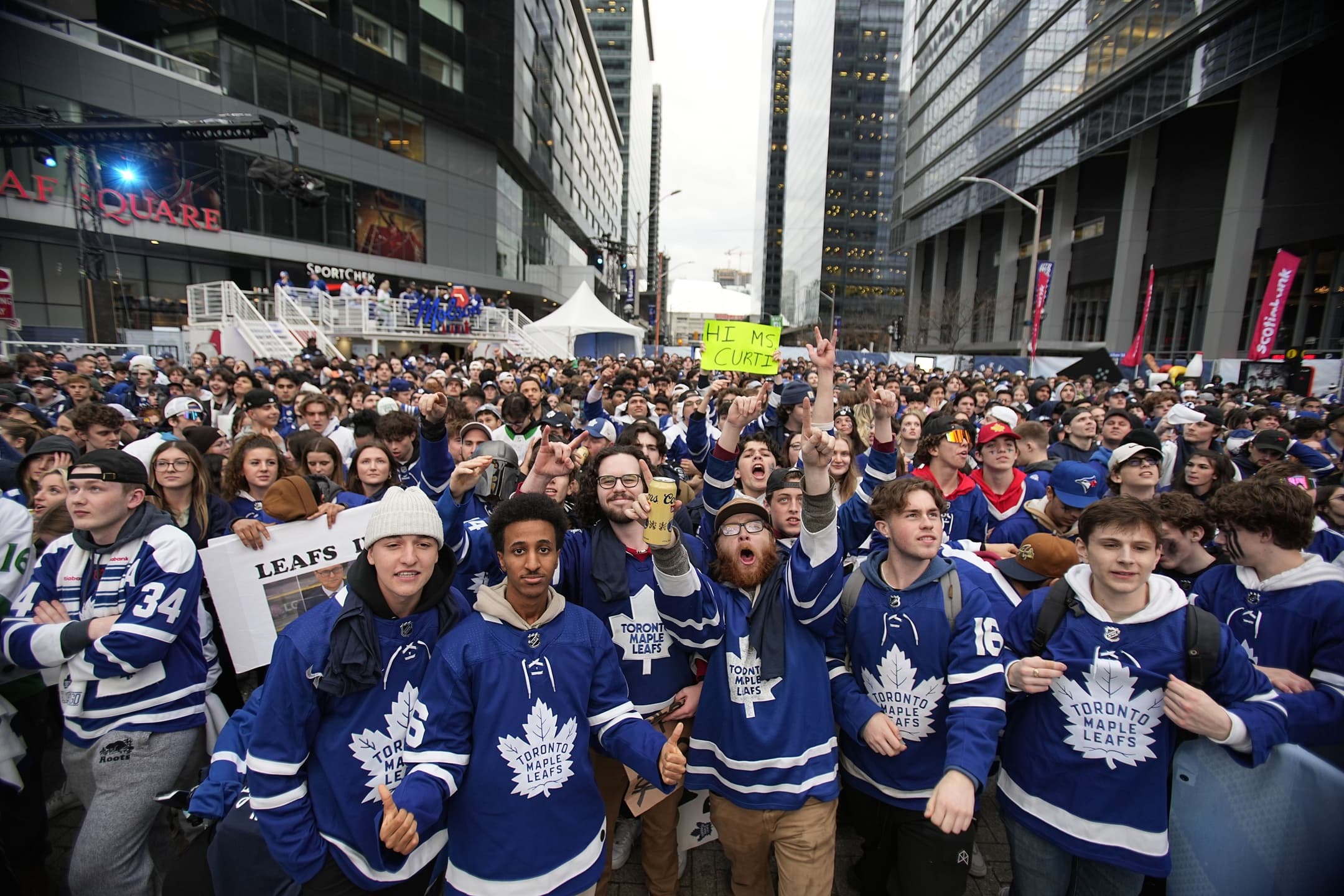
Photo credit: © John E. Sokolowski-USA TODAY Sports

By Jon Steitzer
Apr 4, 2026, 06:00 EDTUpdated: Apr 2, 2026, 17:59 EDT
Six games remaining. An absolute effort in going through the motions. Saturday’s game against the Kings is one that matters. If the Maple Leafs win, they beat a team that is still very much playing for something and how they do it might offer some hope for next season. If they lose, the Kings are just one of the teams that they don’t want to leapfrog in the standings and that serves Toronto well in their quest for 5th from the bottom. The games against the Capitals, Islanders, and Senators all carry some meaning for their opponent, and are legitimate tests for how the Maple Leafs look at this point in the season, but what does that matter? Maybe on individual levels. Groulx, Maccelli, and Cowan are playing to be a part of the solution next year. The fate of someone like Nick Robertson could be decided based on his play in the coming games as well, but overall, a few extra wins shouldn’t inspire much in the belief that this is a group that can be run back next season for better results. It’s going through the motions and not particularly fun to watch.
Here are some other thoughts…
Everything has a price…
I’m not sure what would have given the average Leafs fan hope that a Rogers run team wouldn’t monetize everything they could. Being a Leafs fan is apparently a lot like buying a video game from EA, you’ve only just begun to pay.
Luxury dinners, on ice selfies, and tiers of fandom seem to be par for the course and if times were good it would be a lot easier to separate the team from the corporation, but heading into a non-playoff year, Jonas Siegel’s story in The Athletic about the pay-for-play approach to the fan experience seems more like an organization selling the copper wiring out of the walls to recoup lost playoff revenue than creating new fan experiences.
I hate stuff like this but the ship has sailed long ago on the Maple Leafs being accessible to the average Torontonian. For most GTA residents it’s a team you watch on TV, just as much as the Leafs are a TV only team for me across the country. It’s not right but it’s not going to change. The simple supply and demand logic of it says that MLSE can do it and they will.
What is disheartening is hearing that something as simple and something that could truly be a special moment for any kid around the GTA is being monetized exclusively for the “haves.” The child flag bearer on ice at home games being a $900+ experience that is added on above game tickets brings in less than $40k for the Leafs over the course of the regular season and rather than going into the community and perhaps engaging with minor hockey programs in communities that could use a leg up, pocket change is added to the MLSE coffer and once again pay-to-play rules the day.
Getting mad at MLSE for doing what every else seems to do isn’t the goal here, it’s business. What I’d ask them to do is to look at this from a different perspective, rather than sell these experiences that barely make a difference on P&L statements, why not view these as marketing expenses and grow excitement around the team in a positive way. They’ll always max themselves on ticket sales but angry old curmudgeon Leaf fans like me have given up on buying merchandise from this team long ago. A team that gives me nothing, I know nothing to. Show us that you care about something, even a little, and that $40k worth of effort in flag children might equate to a larger spike in merchandise sales.
Chasing the easy buck doesn’t seem entirely different than “good enough” approach to hockey operations. Maybe this can be part of the culture change
*Steps down from soapbox*
The culture issues don’t end at the locker room door
In Keith Pelley’s press conference one of things that stood out to me was that he highlighted the importance of a culture change and then when questioned by the media about locker room culture he was quite adamant that he had no idea what was going on in that room. Maybe this seemed bizarre but anyone who has suffered through an office potluck or company wide crazy sock day knows that this was addressing organization culture and the problems might be less about what is happening in the locker room but outside of it.
As someone who has consumed their fair share of company engagement sessions, the other pieces that Keith Pelley highlighted speak to the core issues of the problem. The alignment that Pelley was speaking about sounds a lot like Hockey Operations are siloed, and potentially connection points between different areas like Development, Analytics, Scouting, and the Marlies only occur at the top of the departments, and the front-line people rarely coordinate. Even there it could be a stretch that these leads were collaborating. Brad Treliving’s reputation out of Calgary wasn’t that he brought his team together and based on what Pelley alluded to, while dodging Kristen Shilton’s question about it, is that everyone was off doing their own thing.
The other thing that seems to be absent is transparency around the organization. How the organization operates can be a mystery to us on the outside, wearing your intentions on your sleeve is a bad idea in a business isn’t just competitive but its sole purpose is to be competitive, but when your own organization isn’t sure what is going on, that’s a bigger problem.
Winning masked a lot of these issues but Kyle Dubas’s departure under Brendan Shanahan already illustrated the lack of autonomy that the GM has under the President of Hockey Operations, and how the board is the final word. It was certainly disheartening to hear from Keith Pelley that any decision made on Craig Berube would need to involve MLSE board approval, but was a friendly reminder that cash rules everything around us, and championships can’t come at the cost of alienating shareholders.
The locker room culture will improve if the organization culture improves. Disengaged trainers/equipment guys/etc are interacting with the players as much as they interact with each other, and an “I don’t know why they did that” from Hockey Operations personnel to the players isn’t going to establish much confidence.
As someone who is about as outsider as you can be, I’ve got little to go on that the organization is in complete disarray, but the signs are there. Keith Pelley touted the spare no expense approach to bringing in the best of the best off ice and that is likely true. They just need to engage them in a meaningful way.
“Here’s a guy” Leafs GM addition
There isn’t any shortage of names that have been tossed around regarding the Maple Leafs General Manager position and with a search firm engaged, it is safe to say a wide net has been cast. With that said, why not talk about a few names that either haven’t come up specifically or have only been mentioned quickly in passing.
Mark Hunter is a name from yesteryear. He was here, he made some odd draft picks, he wanted to be GM, Shanahan chose Dubas, and he was gone. I’m not sure that many people missed him but nevertheless he’s thrown his name into the hat as being someone interested thanks to a Sirius radio hit.
Hunter wouldn’t be my choice for Maple Leafs GM. His approach to drafting into pro ranks seemed like he was looking at what it needs to be successful in junior hockey and was a fish out of water when looking for more polished products. There weren’t any other NHL teams lining up to take a chance on him after the Leafs and he’s been back in the junior hockey world since. I’m not sure he stands a chance at the job but his name might come up again.
Kevyn Adams built a lot of what the Sabres are at the moment and he probably deserves some recognition for that. It’s also worth appreciating that the second he was let go, the team went on an absolute tear and has been the best team in hockey since. There is something about Adams that was holding the team back and any future employer needs to be mindful of that.
To Adams credit, and why I’m not completely dismissing him is that he is a data driven guy. He built the prospect pool in Buffalo that Keith Pelley was raving about through his press conference. It seems like Adams might have been one of the hockey people that Pelley spoke to outside the organization when it came to making his decision on Treliving. I wouldn’t be surprised if Adams name comes up and if we operated under a capable President of Hockey Operations, Adams might not be as bad as his record with the Sabres shows. He might also be the right guy for the early stages of a rebuild.
Laurence Gilman joins the retread list of former Leafs executives/players on this list, and I mention him solely as a potential option in the case that Mike Gillis is brought in as the President of Hockey Operations. Gilman was Gillis’ right hand man in Vancouver, playing a big role on the contract side of things, and while he was largely focused on the Marlies during his time in Toronto, he is someone who was long talked about as a long time hockey man ready to move into a bigger office. He has a good thing going in Columbus and the Leafs current pool of AGMs would probably be higher regarded to Pelley or a potential new PoHO, with the exception of Gillis, who might want his guy, and if Gillis comes back as GM there might even be a situation where Gilman reappears in the Leafs organization.
Brett Peterson is one of the many Florida AGMs that deserve an interview. His time spent building cup winners and working under Bill Zito make him a prime target and one of the better fly solo without a President of Hockey Operations options to consider.
Peterson has been tapped to be the GM for Team USA at the World Hockey Championship and seeing what he does there might sway some opinions on him if the Leafs haven’t made a decision by the time the tournament rolls around.
The Leafs need to do their part in letting the Doug Armstrong’s, and Dean Lombardi’s of the world enjoy their retirements. And while the four options listed above might not be the most exciting options, going away from recognizable names that had their success and nothing left to prove is the right call. They have their legacy and being part of the Maple Leafs is just one last big payday and vanity credit on their established resumes. Much like how Brad Treliving didn’t need the Leafs GM job because he has a pizza empire to fall back on, finding a GM who has something to prove seems like the right call.


Breaking News
- Bruce Boudreau says Leafs’ aging defence could keep them out of the playoffs: Leafs Morning Take
- Toronto Marlies name Chris Bourque as assistant general manager, round out coaching staff
- Revisiting Sergei Bobrovsky’s Save of the Century vs. Lightning
- 2025 first overall pick Matthew Schaefer on advice for Maple Leafs’ Gavin McKenna: ‘Just enjoy it’
- How the Atlantic Division shapes up entering 2026-27 after free agency

Toronto Maple LeafsTeam Cap Summary

Cap Summary
2026-27
2027-28
Projected Cap Hit
$106,752,382
$106,752,382
Projected Cap Space
-$2,752,382
$6,747,618
Current Cap Space
-$2,752,382
$6,747,618
Active Players
23/23
24/23
Draft Picks
Round
'26
'27
1
1
1
2
1
2
3
4
0